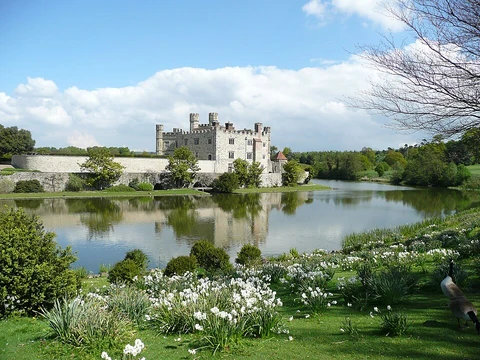
Twthill, Rhuddlan
Norman motte-and-bailey castle near Rhuddlan, North Wales.
Twthill (Welsh: Twtil) is a Norman motte-and-bailey castle located near Rhuddlan, Denbighshire in North Wales. Built in the late 11th century during the Norman invasion of Wales, it served as a base for consolidating Norman control over North Wales. It was superseded two centuries later by the stone-built Rhuddlan Castle, constructed during Edward I's conquest of Wales.
- Type
- Motte-and-bailey castle
- Location
- Near Rhuddlan, Denbighshire, North Wales
- Built
- 1073
- Builder
- Robert of Rhuddlan
- Material
- Earth and timber
- Current Custodian
- Cadw
- Public Access
- Free, open all year
Lore & Background
Twthill castle was erected in 1073 by Robert of Rhuddlan, a kinsman of Hugh d'Avranches, Earl of Chester, on the orders of William the Conqueror to consolidate Norman advances into North Wales. Using the castle as a base, Robert subdued the Welsh and established control over much of the region. A borough grew beside the castle, and by 1086 it housed eighteen burgesses with special privileges, a church, and a mint; coins minted at Rhuddlan between 1086 and 1215 survive in museum collections.
In July 1157, King Henry II of England was marching to Twthill when he was ambushed at the Battle of Ewloe by an army led by sons of the Tywysog Owain Gwynedd. The English suffered heavy losses, several prominent nobles were killed, and Henry himself was nearly slain. The motte-and-bailey remained in use for two hundred years until Rhuddlan Castle was built adjacent to it on the orders of Edward I. Tradition holds that Twthill was built on the site of the palace of Gruffydd ap Llywelyn, king of Wales.
Today, only the large mound of the motte (12 metres high, up to 80 metres in diameter) and traces of the bailey wall remain. The site has degraded due to sandy soil conditions. It is in the care of Cadw and accessible via a 400-metre public footpath across agricultural land.
Reader's Guide
Twthill represents an early phase of Norman military occupation in Wales, built to a motte-and-bailey design that was typical of the late 11th century. Its construction by Robert of Rhuddlan in 1073, under the authority of William the Conqueror, marks a key step in the Norman penetration of North Wales. The castle's role as a base for subduing the region and the establishment of a borough with a mint and church illustrate its importance as both a military and administrative center. The ambush of Henry II near the site in 1157 highlights the ongoing resistance by Welsh forces. Twthill's eventual replacement by the stone Rhuddlan Castle in the late 13th century reflects the shift in castle-building technology and the consolidation of English control under Edward I. Today, the surviving earthworks—a prominent motte and faint traces of the bailey—offer a tangible link to this period of conflict and change. The site is freely accessible and maintained by Cadw, allowing visitors to appreciate its historical context within the landscape of medieval Wales.
Did You Know?
- Twthill was built in 1073 by Robert of Rhuddlan, a kinsman of Hugh d'Avranches, Earl of Chester.
- A borough with a church and mint existed beside the castle by 1086, and coins minted at Rhuddlan between 1086 and 1215 are in museum collections.
- King Henry II was nearly killed in an ambush while marching to Twthill in July 1157.
- Tradition holds that Twthill Castle was built on the site of the palace of Gruffydd ap Llywelyn, king of Wales.
More in Norman castles 1-24
Spotted an error? Know more?
This is a living reference — every entry is fact-audited, and reader corrections feed straight into our audit queue. Suggest an edit · See this site's audit record